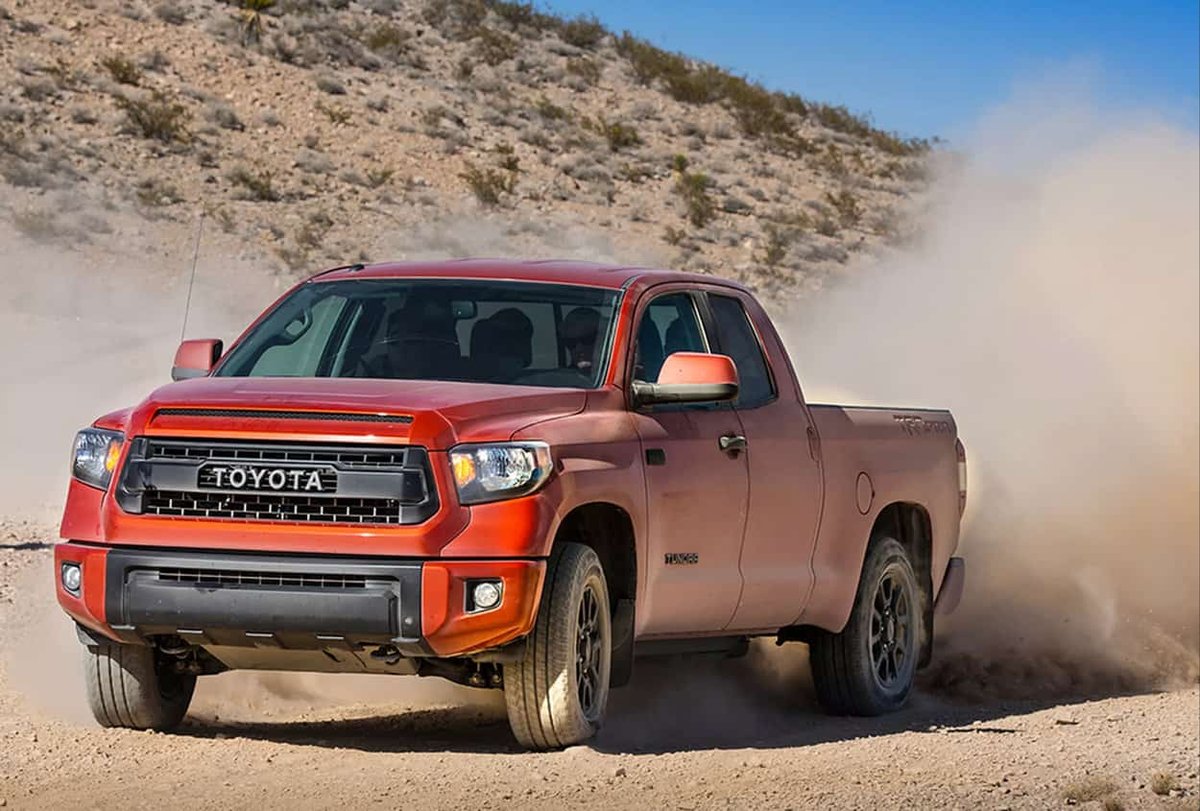
Looking for a reliable, capable full-size pickup that holds its value better than most? The Toyota Tundra consistently tops lists for durability, longevity, and impressive resale. But with several distinct generations and a couple of decades of models to choose from, knowing which used Toyota Tundra by generation offers the best blend of value, features, and rock-solid reliability is crucial. It's not just about finding a Tundra; it's about finding your Tundra.
Let's cut through the noise and figure out which one is the right fit for your adventures, your work, and your wallet. We'll delve into the specific strengths and weaknesses of each generation, helping you navigate the market with confidence.
At a Glance: Your Tundra Buying Checklist
- Best Overall Value: Second Generation (2014-2021) offers a proven V8 engine and modern interior comforts without the new-gen kinks.
- Highest Reliability: Models from 2019-2021 stand out within the second generation for very few reported issues.
- For Advanced Safety: Prioritize 2018 models or newer (second gen) for standard Toyota Safety Sense-P (TSS-P).
- Towing Power: Third generation (2022-present) leads with 12,000 lbs, followed by second gen (10,000 lbs), then first gen (7,000-7,100 lbs).
- Years to Seriously Avoid: First-gen (2000-2006) due to severe frame rust. Early second-gen (2007-2013) also carried rust concerns and higher mileage risks.
- New Kid on the Block Warning: The third generation (2022-2023) has faced significant recalls for engine defects; consider waiting.
- Crucial Inspection: Always get a vehicle history report and a thorough pre-purchase inspection, especially focusing on frame rust on any older model.
Why a Used Toyota Tundra? Unpacking Its Legendary Status
Before we dissect the generations, let's understand why the Tundra has such a devoted following. Toyota built its reputation on vehicles that simply refuse to quit, and the Tundra is arguably the pinnacle of that philosophy in truck form. Owners frequently report their Tundras reaching well over 200,000 miles with minimal fuss, often hitting 300,000 or even 400,000 miles if properly maintained.
This isn't just anecdotal praise; independent reliability surveys consistently rank the Tundra at or near the top for full-size pickups. Its engines, transmissions, electronics, and suspension components are known for their robust, over-engineered design. This inherent durability translates directly into a strong resale value, meaning your investment today will likely hold up exceptionally well down the road. You can dive deeper into the entire lineage of this iconic truck if you Explore Toyota Tundra generations.
However, even a legend has its quirks and specific generations that shine brighter than others. Let's explore the key distinctions.
The Deal-Breakers: Tundra Model Years to Approach with Caution
While the Tundra's overall reliability is excellent, not all years are created equal. Some models carry known issues that could turn your dream truck into a persistent headache. Knowing these upfront can save you significant time, money, and frustration.
The Rust Monster: First Generation (2000-2006)
Toyota's initial foray into the full-size pickup market in North America produced a very capable truck, but it was plagued by a severe Achilles' heel: frame rust. This wasn't just surface rust; it was often structural corrosion that could compromise the integrity of the vehicle. While Toyota did implement recalls and extended warranties for some of these issues, finding a first-generation Tundra today that hasn't succumbed to significant rust—or had extensive, costly repairs—is a challenge. For this reason, we generally advise avoiding the first generation (2000-2006) entirely unless you're prepared for extensive frame work or live in a perpetually dry climate and can verify pristine undercarriage condition.
Early Second Generation Woes (2007-2013)
When the second generation launched in 2007, it was a massive leap forward. However, the initial years weren't entirely problem-free. While not as catastrophic as the first-gen's rust, earlier second-generation models (particularly 2007-2013) continued to exhibit rust concerns, albeit to a lesser extent. Furthermore, these models are now old enough that many will have very high mileage, often exceeding 200,000 miles. While a well-maintained Tundra can certainly handle these numbers, it increases the risk of age-related component failures.
Specific years within this early second-gen period also had notable complaints:
- 2007: The launch year had many initial complaints as the new design settled in.
- 2012: Some reports of engine-related issues surfaced for this year.
- 2005 (First Gen): Remember the first-gen for one more reason: failures of the secondary air pump were common, adding to its list of concerns.
Third Generation (2022-Present): The Wait-and-See Approach
The newest Tundra generation, introduced in 2022, represents a radical departure with twin-turbo V6 engines (including a hybrid option) and a coil-spring rear suspension. While exciting on paper, the early models (2022-2023) have faced significant manufacturing defects. These issues led to recalls for potential loss of power or even engine stall. Consumer Reports has given these early third-gen models the lowest reliability rating among new trucks. Our strong advice is to wait several years for Toyota to iron out these new-generation kinks before considering a used 2022 or 2023 Tundra.
Navigating the Generations: Finding Your Perfect Tundra Match
Now that we've highlighted the caution areas, let's explore each generation in detail, focusing on what they offer and who they might be best for.
First Generation (2000-2006): The Trailblazer with a Fatal Flaw
The original Tundra was Toyota's bold entry into the highly competitive American full-size pickup market. It carved out a niche for being a supremely reliable, if somewhat smaller, alternative to the domestic giants.
- Key Features:
- Cab Styles: Initially available in Regular Cab and Access Cab configurations. A larger Double Cab was added in 2004, bridging the gap to more traditional crew cab offerings.
- Engine Options: Buyers could choose between a V6 engine or the venerable 4.7-liter "i-Force" V8. The V8 was a strong performer for its time.
- Towing Capacity: Max towing capacity ranged from 7,000 to 7,100 pounds, respectable for the era but quickly outpaced by later models.
- Overall Size: Often described as a "1.5-ton" truck, it was smaller than its Ford, GM, and Ram counterparts, which some buyers appreciated for maneuverability.
- The Big Caveat: As mentioned, the overwhelming issue with this generation is severe frame rust. Many trucks suffered significant structural corrosion, leading to safety concerns and costly repairs. While these trucks are incredibly affordable today, the risk associated with potential frame issues makes them a risky proposition for most buyers. If you find one, a meticulous inspection of the frame's entire underside is absolutely non-negotiable, preferably by a mechanic specializing in body-on-frame vehicles.
- Who it's for: Highly mechanically inclined individuals living in rust-free climates, or those looking for a cheap project truck with a known flaw they're prepared to address. Otherwise, proceed with extreme caution.
Second Generation (2007-2021): The "Bulletproof" Sweet Spot
This is the generation most enthusiasts refer to when they talk about the "bulletproof" Tundra. Launched with a much larger footprint to compete directly with American trucks, the second generation quickly earned a reputation for its powerful V8 engines and legendary reliability. For many, this is the prime target when Buying Used Toyota Tundra by Generation.
- Key Features:
- Engine Options: A 4.0L V6 was available in earlier models, but the stars were the V8s: a 4.6L and the mighty 5.7L. The 5.7L V8, in particular, is an absolute workhorse, known for its strong torque and incredible durability.
- Towing and Payload: Max towing capacity jumped significantly to around 10,000 pounds (with proper configuration), and payload capacity ranged from 1,730 to 2,000 pounds. This made the Tundra a serious contender for towing boats, campers, and heavy trailers.
- Cab Configurations: Offered in Regular Cab, Double Cab (extended cab), and CrewMax (true crew cab) options, providing flexibility for different passenger and cargo needs.
- Toyota Safety Sense-P (TSS-P): A major upgrade starting in 2018 models. This suite of advanced driver-assistance features, including pre-collision system with pedestrian detection, lane departure alert, automatic high beams, and adaptive cruise control, became standard. If modern safety tech is a priority, focus on 2018 or newer.
- Refinements: While the core truck remained largely unchanged, model years 2019, 2020, and 2021 are often highlighted as having the fewest reported complaints and the benefit of all the generational improvements without the initial teething issues.
- Why it's Highly Recommended: The second-generation Tundra, especially models from 2014-2021, hits a sweet spot. You get a thoroughly proven, incredibly reliable V8 powertrain, a comfortable and functional interior (which received some updates over the years), and the benefits of modern safety tech in later models. The rust concerns of earlier models were largely addressed or mitigated in later production years, though inspecting the frame remains good practice for any used vehicle.
- Who it's for: Anyone seeking a supremely reliable, capable full-size truck for daily driving, towing, or moderate off-roading, with a strong emphasis on proven mechanics and excellent long-term value. This is often the best choice for a used Tundra.
Third Generation (2022-Present): Modern Power, Early Hiccups
The latest iteration of the Tundra represents a complete redesign, bringing the truck firmly into the 21st century with cutting-edge technology and a shift away from V8 power.
- Key Features:
- Engine Shift: The beloved V8s are gone, replaced by two new twin-turbo V6 engines. The standard i-Force produces 389 horsepower and 479 lb-ft of torque, while the i-Force Max hybrid boosts output to a robust 437 horsepower and 583 lb-ft of torque. Both are paired with a smooth 10-speed automatic transmission.
- Enhanced Capability: Max towing capacity now reaches an impressive 12,000 pounds, with a payload capacity of 1,940 pounds, putting it squarely in contention with segment leaders.
- Chassis Improvements: Features a new, stiffer chassis and, notably, a multi-link rear coil spring suspension (replacing the previous leaf springs). This significantly improves ride quality and handling, especially when unladen.
- Advanced Technology: The interior saw a massive overhaul, with available infotainment touchscreens up to 14 inches and the latest Toyota Safety Sense 2.5 suite, offering even more advanced driver aids.
- TRD Off-Road Prowess: While base models are capable, the TRD trims (especially the TRD Pro) offer serious off-road enhancements like specialized suspensions, skid plates, and unique styling.
- The Major Drawback: Despite its impressive specs and modern features, the early models (2022-2023) have suffered from significant manufacturing issues, including engine defects leading to recalls for power loss or stalling. Consumer Reports' lowest reliability rating is a strong indicator of these initial problems.
- Who it's for: Buyers who prioritize the absolute latest technology, maximum towing capacity, and a refined ride—but only after Toyota has had ample time to resolve the known manufacturing defects. At this moment, it's generally best to wait for later model years or for certified pre-owned programs to emerge after several years on the market.
Beyond the Year: What to Look For in Any Used Tundra
Regardless of the generation you're eyeing, a smart used truck purchase requires a keen eye and a systematic approach. Here's what to prioritize during your inspection.
The Rust Monster: A Non-Negotiable Inspection
We've hammered this point home, but it bears repeating: inspect the frame and undercarriage meticulously. This is especially true for any truck that has seen winters with road salt. Look for:
- Surface rust: Common and often cosmetic, but indicates a lack of undercarriage protection.
- Scale rust/flaking: A sign of deeper corrosion.
- Holes or perforations: An immediate red flag, indicating structural compromise.
- Rust around welds or mounting points: Areas where corrosion often begins.
Consider investing in a rust-preventative coating for the frame every few years, especially if you live in a region prone to road salt. Keeping the underside clean, particularly after driving in salty or muddy conditions, also goes a long way.
Engine & Transmission: The Heart of Your Tundra
Toyota's powertrains are generally robust, but even the best can show signs of neglect.
- Listen for odd noises: Knocks, ticks, or whining from the engine or transmission.
- Check fluid levels and condition: Engine oil, transmission fluid (if accessible), coolant. Look for dark, burnt, or milky fluids.
- Shifting smoothness: Pay attention during the test drive. Hard shifts, slipping, or delayed engagement could indicate transmission issues.
- Maintenance records: A well-documented history of oil changes, fluid flushes, and scheduled maintenance is a huge positive indicator.
Driver-Assist Features (TSS-P/TSS 2.5): Safety First
If advanced safety technology is important to you, pay close attention to the model year and trim.
- Second Generation (2018+): Toyota Safety Sense-P (TSS-P) became standard, offering crucial features like forward collision warning, automatic emergency braking, adaptive cruise control, and lane departure alert.
- Third Generation (2022+): Features Toyota Safety Sense 2.5 (TSS 2.5), which builds upon TSS-P with further enhancements to collision avoidance and driver assistance.
Test these systems if possible, or ensure they are present and active.
Off-Road Prowess: TRD Trims and Beyond
The Tundra is inherently capable off-road, but if serious trail performance is your goal, look for the TRD models.
- TRD Off-Road: Often includes upgraded shocks (like Bilstein or Fox), skid plates, and specific wheel/tire packages.
- TRD Pro: The pinnacle of factory off-road capability, featuring more aggressive suspension (often Fox internal bypass shocks), unique styling, and often a higher ground clearance. These tend to hold their value exceptionally well.
- Check for Modifications: If a truck has aftermarket lift kits or extensive off-road modifications, inquire about the quality of the parts and the installer. Poorly installed mods can lead to more problems than benefits.
Towing & Payload Needs: Matching Your Truck to Your Tasks
Your primary use case for a truck—towing a boat, hauling materials, or carrying a camper—should dictate your chosen generation and configuration.
- First Gen (2000-2006): Max 7,000-7,100 lbs. Suitable for lighter trailers or utility tasks.
- Second Gen (2007-2021): Max ~10,000 lbs. A solid choice for most recreational towing (campers, mid-size boats) and general hauling.
- Third Gen (2022-Present): Max ~12,000 lbs. Best for heavy-duty towing requirements, though with the caveat of waiting for issues to be resolved.
Always check the specific truck's door jamb sticker for its exact payload and towing capacities, as these can vary significantly by cab style, drivetrain, and optional equipment.
Key Considerations Before You Buy
Beyond the mechanics and features, some fundamental aspects of the Tundra ownership experience are worth noting.
No Diesel? Understanding Tundra's Engine Lineup
Unlike its domestic competitors, Toyota has never offered a diesel engine option in the Tundra. This is a point of contention for some who prioritize the specific torque and fuel economy characteristics of a diesel for heavy towing. If a diesel engine is a non-negotiable for your towing needs, the Tundra might not be the right truck for you. Otherwise, the powerful V8s (and new twin-turbo V6s) are more than capable for most tasks.
Visibility & Size: Getting Comfortable Behind the Wheel
The Tundra is a large truck, especially the second and third generations. Its large A-pillars and sometimes tall dash can contribute to what some drivers perceive as poor forward visibility. Take a thorough test drive to ensure you feel comfortable with the truck's dimensions and sightlines, particularly in tight parking situations or city driving. Modern models with advanced camera systems (like 360-degree views) can significantly mitigate these concerns.
Resale Value: A Tundra's Strong Suit
One of the Tundra's biggest advantages is its consistently strong resale value. This isn't just a marketing claim; it's borne out by market data. Tundras depreciate slower than many of their competitors, which means when it's time to sell or trade in, you'll likely recoup a greater percentage of your initial investment. This makes buying a used Tundra a financially sound decision in the long run, often offsetting slightly higher upfront costs compared to some rivals.
Your Next Steps: Sealing the Deal on Your Used Tundra
Finding your ideal used Toyota Tundra by generation is an exciting journey. Here’s how to make sure you cross the finish line with confidence:
- Do Your Homework: Armed with the generational knowledge from this guide, narrow down your target years and generations. Filter out the known problematic years immediately.
- Get a Vehicle History Report: Never skip this step. A CarFax or AutoCheck report can reveal accident history, salvage titles, service records, and previous ownership, which are all vital pieces of information.
- Schedule a Pre-Purchase Inspection (PPI): Even if the truck looks pristine, a qualified, independent mechanic (ideally one familiar with Toyotas) should conduct a thorough inspection. They can spot hidden frame rust, identify potential mechanical issues, and ensure all systems are functioning correctly. This small investment can save you thousands later.
- Test Drive Thoroughly: Don't just drive around the block. Take it on the highway, simulate city driving, and, if possible, drive it over varied terrain. Test all features, from infotainment to four-wheel drive.
- Negotiate Confidently: Use any findings from the history report or PPI as leverage for negotiation. Be prepared to walk away if the truck isn't right or the seller isn't transparent.
By following these steps and focusing on the strengths of the second-generation Tundra, you're well on your way to owning a reliable, capable truck that will serve you faithfully for years to come. Happy hunting!