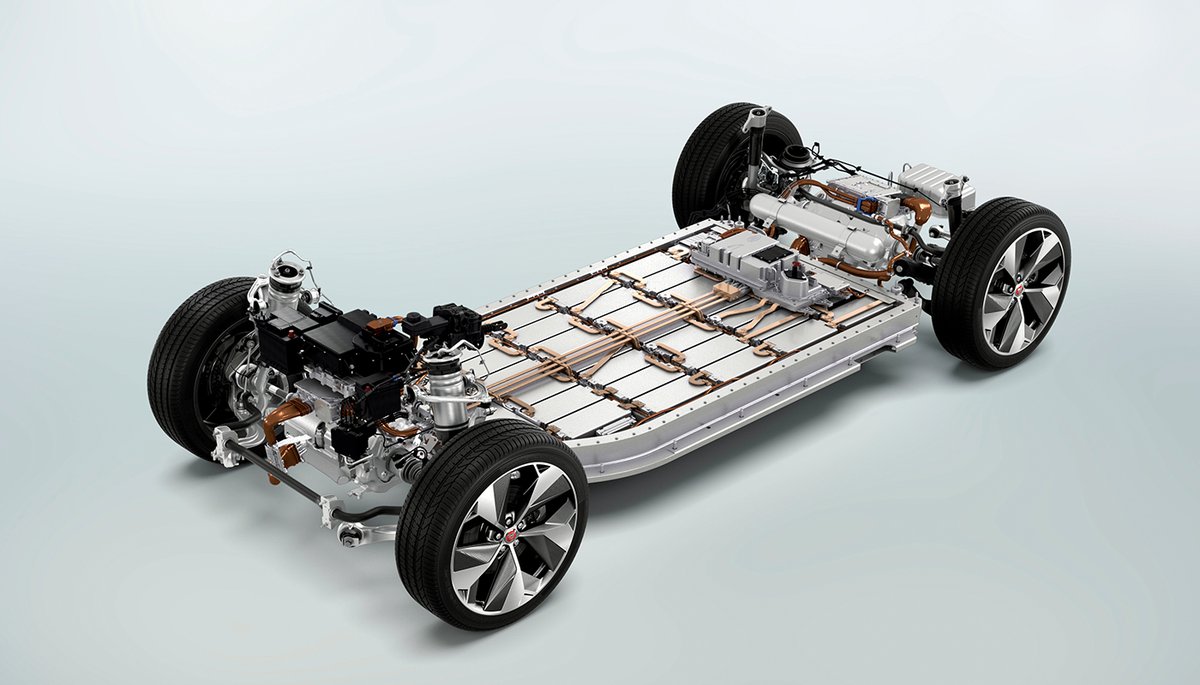
The roar of a powerful engine, the silent glide of an electric vehicle, the subtle hum of a hybrid working in unison—these are all snapshots of a relentless journey. For well over a century, the story of automotive transportation has been inextricably linked to the Engine & Powertrain Evolution, a narrative of constant innovation, shifting priorities, and a profound reimagining of how we move. From the earliest rudimentary internal combustion engines (ICE) to today's sophisticated electric powerplants and the fascinating technologies on the horizon, this evolution isn't just about speed or power; it's about efficiency, sustainability, and ultimately, our collective future on the road.
Snapshot: The Road Ahead for Powertrains
Before we dive deep, here’s a quick overview of the journey we’ll explore:
- Humble Beginnings: The 19th century saw the birth of the internal combustion engine, transforming static machines into mobile marvels.
- ICE Dominance & Its Discontents: For decades, gasoline and diesel engines reigned supreme, leading to iconic vehicles but also environmental and energy dependence challenges.
- The Efficiency Imperative: Stricter regulations and fuel crises spurred innovation, making ICEs cleaner and more efficient, and paving the way for hybrid vehicles.
- Electric Resurgence: Once an early contender, electric vehicles (EVs) have stormed back, driven by battery breakthroughs and a global push for sustainability.
- Future Horizons: Next-generation batteries, hydrogen fuel cells, synthetic fuels, and AI are poised to redefine automotive propulsion once more.
- Key Challenges: Infrastructure, raw material sourcing, and adoption barriers remain crucial hurdles on the path to widespread transformation.
The Dawn of Motion: How Early Engines Ignited an Industry
Imagine a world before the automobile, a world moved by horses and muscle. Then, in the mid-19th century, a revolutionary concept began to take shape: a machine that could generate its own power from within. This radical idea laid the foundation for the entire automotive industry, marking the true beginning of engine evolution.
The very first spark of this revolution arrived in 1860, thanks to Jean-Joseph Étienne Lenoir, who unveiled the first commercially successful gas-powered internal combustion engine. While simple and not particularly efficient, it demonstrated the incredible potential of converting fuel into motion. A few years later, in 1876, Nikolaus Otto refined this concept significantly with his invention of the four-stroke engine. This design, with its intake, compression, power, and exhaust strokes, became the fundamental blueprint for nearly every combustion engine that would follow, a testament to its elegant efficiency.
It was in the late 19th and early 20th centuries that visionary engineers like Karl Benz, who built the first true automobile, and Rudolf Diesel, whose compression-ignition engine offered superior efficiency for heavy loads, took these early principles and applied them to practical, road-going vehicles. By 1908, Henry Ford’s Model T brought gasoline-powered cars to the masses, democratizing personal transportation and forever changing society. Alongside these engine breakthroughs, the transmission, too, evolved. While early cars required manual gear changes, the landscape shifted dramatically in 1939 when General Motors introduced the Hydra-Matic, the world’s first fully automatic transmission. This innovation made driving significantly easier, opening up car ownership to an even broader audience.
From Niche to Mainstream: The ICE Era and Its Unstoppable Rise
For the better part of the 20th century, internal combustion engines, particularly those running on gasoline and later diesel, utterly dominated the automotive landscape. The decades from the 1950s through the 1980s were a golden age for ICE vehicles, characterized by an emphasis on sheer power and performance.
Think of the iconic muscle cars that defined an era: the Chevrolet 427 Big Block, Ford’s 429 Cobra Jet, and Mopar’s legendary 426 HEMI. These vehicles weren't just modes of transport; they were symbols of freedom, power, and American ingenuity. Their massive engines delivered exhilarating acceleration and raw horsepower that captivated a generation. Diesel engines, while less glamorous for passenger cars at first, gained immense traction in heavy-duty applications due to their unmatched durability and fuel efficiency for hauling heavy loads, becoming the backbone of global commerce and eventually finding their way into certain passenger segments.
However, this era of unrestrained power came with significant downsides. These powerful engines were notoriously fuel-inefficient, guzzling gasoline at an alarming rate. This not only led to high running costs but also resulted in substantial greenhouse gas emissions, polluting the air and contributing to climate concerns. Furthermore, the world’s increasing reliance on fossil fuels created a delicate geopolitical balance. The vulnerabilities of this dependence were starkly exposed during the 1973 Oil Crisis, when global oil supply disruptions sent shockwaves through economies worldwide. This pivotal event, along with growing environmental awareness, lit a fire under governments and automakers alike. It spurred the introduction of stricter regulations, such as the Corporate Average Fuel Economy (CAFE) standards in the US, demanding better fuel economy and lower emissions from new vehicles. Even today, the legacy of ICE vehicles continues to evolve, as manufacturers consider how to balance power with efficiency. For instance, understanding the performance and efficiency gains across different generations of enduring models offers insight into this progression, much like examining a Toyota Tundra generations overview reveals the careful balance of tradition and innovation over time.
The Great Reckoning: When Efficiency Became King
The energy crises and environmental awakening of the 1970s and 80s forced a fundamental shift in automotive engineering. The focus moved from simply maximizing horsepower to optimizing every drop of fuel and minimizing every puff of exhaust. This spurred an incredible wave of innovation within the internal combustion engine itself.
Engineers developed sophisticated fuel injection systems, replacing less precise carburetors. These systems precisely metered fuel into the engine, leading to more complete combustion, better fuel economy, and lower emissions. Turbocharging, once reserved for high-performance sports cars, became a mainstream solution, using exhaust gases to spin a turbine that forces more air into the engine. This allowed smaller, more efficient engines to produce power comparable to much larger, thirstier ones, effectively offering "power on demand."
Another critical advancement was variable valve timing. This technology allows an engine's intake and exhaust valves to open and close at different times and for different durations, depending on engine speed and load. The result is an engine that can be both powerful at high RPMs and fuel-efficient at lower ones, a remarkable feat of engineering that dramatically improved the flexibility and efficiency of ICEs without sacrificing performance. These technologies proved that the ICE still had plenty of room to grow and adapt.
Bridging the Gap: How Hybrids Paved the Way for What's Next
While innovations kept the internal combustion engine relevant, many recognized that a more radical departure might be necessary for long-term sustainability. The idea of combining the best of both worlds – an efficient gasoline engine with a clean electric motor – led to the birth of the Hybrid Electric Vehicle (HEV).
This "transitional solution" truly hit the mainstream in 1997 with the mass-produced Toyota Prius. The Prius wasn't just a car; it was a statement. It demonstrated that vehicles could achieve significantly better fuel efficiency and lower emissions by strategically integrating an electric motor and a small battery alongside a conventional ICE. The electric motor could assist the gasoline engine during acceleration, allowing the ICE to operate at its most efficient points, and even power the vehicle alone at low speeds. Crucially, it introduced the concept of regenerative braking, where the energy typically lost as heat during braking is captured and stored in the battery for later use, further boosting efficiency.
Beyond mainstream hybrids, the industry also explored other alternative fuels. Biofuels like ethanol (often blended with gasoline) and biodiesel (for diesel engines) offered renewable energy sources, leveraging agricultural products. Hydrogen fuel cells promised truly zero-emission driving, producing only water vapor, while natural gas-powered vehicles offered a cleaner burning fossil fuel alternative. However, these solutions faced significant hurdles: the complex infrastructure required for distribution, high production costs, and ongoing debates about their true lifecycle environmental impact prevented them from achieving widespread adoption, leaving hybrids as the most successful bridging technology until the next major shift.
The Electric Revolution: Reimagining What's Possible
Believe it or not, electric vehicles (EVs) actually predated gasoline cars in the 19th century, offering a quieter, cleaner alternative. However, limitations in battery technology and range meant they quickly faded into obscurity as ICE technology advanced. Attempts to revive them in the 20th century, like General Motors' innovative but ultimately discontinued EV1 in the 1990s, highlighted the enduring challenges.
The true resurgence of the EV began in the early 2000s, spearheaded by a disruptive new player: Tesla. Their entry into the market, starting with the high-performance Roadster, followed by the groundbreaking Model S and the mass-market Model 3, completely transformed public perception of electric cars. Tesla proved that EVs could be not only practical but also highly desirable, offering thrilling performance, cutting-edge technology, and impressive range.
This transformation was largely thanks to advancements in lithium-ion battery technology. These batteries offer significantly higher energy density than their predecessors, meaning they can store more energy in a smaller, lighter package, enabling longer driving ranges. Alongside battery improvements, the development of robust fast-charging networks, like Tesla's Superchargers, began to alleviate "range anxiety"—the fear of running out of power far from a charging point. Modern EVs also widely incorporate regenerative braking, which converts kinetic energy back into electrical energy to recharge the battery when the driver lifts off the accelerator or applies the brakes, enhancing efficiency and extending range.
Governments worldwide have played a crucial role in accelerating EV adoption, implementing policies like purchase subsidies, tax incentives, and increasingly stringent emissions regulations designed to phase out ICE vehicles. Countries like Norway and the Netherlands have set ambitious targets, aiming to ban the sale of new gasoline and diesel cars within the next decade, signaling a clear global shift towards an electric future.
Navigating the Roadblocks: Challenges on the Path to a Fully Electric Future
While the momentum behind electric vehicles is undeniable, the path to a fully electric automotive world is not without significant hurdles. Addressing these challenges is paramount for sustained progress in engine and powertrain evolution.
One of the most pressing concerns revolves around battery production and raw material availability. Lithium, cobalt, and nickel are critical components of modern lithium-ion batteries. The mining and processing of these materials raise environmental and ethical questions, alongside concerns about geopolitical supply chain stability. Developing more sustainable sourcing methods and exploring alternative battery chemistries are active areas of research.
Expanding charging networks to meet future demand requires monumental investment and careful planning. Fast chargers need robust grid connections, and the sheer volume of electricity required for millions of EVs could strain existing power grids, especially during peak demand. Cities and rural areas alike need comprehensive charging infrastructure, from public fast chargers to ubiquitous home and workplace charging solutions.
Finally, while EV technology is advancing rapidly, high initial purchase costs for many models, limited model availability in certain segments (though rapidly improving), and lingering range anxiety remain barriers for some consumers. Educating the public, offering diverse vehicle options, and continuing to drive down battery costs will be crucial for broader adoption.
Beyond the Battery: Emerging Powertrain Frontiers
Even as EVs dominate the current narrative, the journey of powertrain evolution continues, with researchers and engineers exploring a diverse array of groundbreaking technologies that could shape the next generation of automotive mobility.
- Solid-State Batteries: Seen by many as the "holy grail" of battery technology, solid-state batteries replace the liquid electrolyte in traditional lithium-ion batteries with a solid one. This promises a significant leap in performance, offering potentially higher energy density (meaning longer range or smaller batteries), much faster charging times, improved safety (less prone to overheating or fire), and a longer lifespan. Automotive giants like Toyota and specialized companies such as QuantumScape are leading the charge in this research, though mass production remains several years away.
- Hydrogen Fuel Cells: For certain applications, particularly heavy-duty trucks, buses, and potentially long-range passenger vehicles, hydrogen fuel cells offer an attractive alternative. These powertrains combine hydrogen with oxygen to produce electricity, with water vapor as the only emission. They offer much faster refueling times compared to battery EVs and potentially longer ranges, making them ideal for vehicles that need to cover long distances without lengthy stops. However, the "hydrogen economy" still requires substantial infrastructure development for production, storage, and distribution, along with addressing the energy intensity of hydrogen production itself.
- E-fuels and Synthetic Gasoline: What if existing internal combustion engines could be powered sustainably? E-fuels (electrofuels) and synthetic gasoline offer a compelling answer. These fuels are chemically identical to conventional gasoline or diesel but are synthesized using renewable energy (electricity) to extract hydrogen from water and carbon dioxide from the air. The concept is "carbon-neutral" because the CO2 released during combustion is equal to the CO2 captured during production. This technology holds immense promise for extending the lifespan of the vast existing fleet of ICE vehicles and infrastructure in a sustainable way, especially for classic cars or niche applications where full electrification is impractical.
- Artificial Intelligence (AI) and Powertrain Optimization: Beyond the fundamental power source, AI is poised to revolutionize how powertrains operate. AI algorithms can analyze vast amounts of data—from driving conditions and traffic patterns to driver behavior and battery state—to dynamically optimize powertrain performance. This means more efficient energy management in EVs, predictive maintenance, and even adaptive power delivery that responds to the driver's mood or upcoming road conditions. In the future of autonomous vehicles and smart transportation systems, AI will be the invisible hand that ensures every mile is as efficient and smooth as possible, regardless of the underlying engine technology.
Your Questions, Answered: Demystifying Powertrain Evolution
As we look at such rapid change, it's natural to have questions. Here are some common ones that arise when discussing the future of automotive powertrains:
"Are internal combustion engines truly dead?"
Not yet, and perhaps never entirely. While their dominance is fading, innovations like e-fuels and synthetic gasoline could give ICEs a new lease on life, allowing them to operate in a carbon-neutral way. They will likely remain in niche markets and certain heavy-duty applications for many years, but their widespread use in new passenger vehicles is definitely on the decline.
"What's the biggest bottleneck for electric vehicle adoption?"
Currently, it's a combination of charging infrastructure, initial vehicle cost, and range anxiety. As battery technology improves and costs decrease, expanding reliable and convenient charging options, especially for apartment dwellers and long-distance travelers, becomes the critical factor for mass adoption.
"Are hydrogen cars better than battery electric cars?"
It's not a simple "better or worse." Both have strengths. Battery EVs are generally more energy-efficient from "well-to-wheel" (energy source to wheels) and are well-suited for shorter to medium commutes. Hydrogen fuel cell vehicles offer faster refueling and longer range, making them potentially superior for heavy-duty applications or specific long-haul needs where battery weight and charging times become prohibitive. The future will likely see both technologies coexist, serving different market segments.
"How will AI actually make my car better?"
AI will enhance your car's powertrain by making it smarter and more efficient. For an EV, AI can optimize battery usage to maximize range and lifespan, predict when you'll need to charge, and even precondition the battery for faster charging. For any powertrain, AI can learn your driving style, anticipate traffic, and adjust engine or motor settings in real-time for the smoothest, most efficient, and most responsive driving experience possible.
Driving Forward: What This Means for Your Next Vehicle
The journey of engine and powertrain evolution is a testament to human ingenuity—a continuous quest for more powerful, more efficient, and now, more sustainable ways to move. From Lenoir's first gas engine to Tesla's electric marvels, and peering into a future powered by solid-state batteries and hydrogen, this evolution has consistently reshaped not just our vehicles, but our lives and our relationship with the planet.
For you, the driver and consumer, this means an increasingly diverse and exciting automotive landscape. Your next vehicle might be fully electric, offering silent, powerful acceleration and zero tailpipe emissions. It could be a highly efficient hybrid, bridging the gap between gasoline and electric with impressive fuel economy. Or, perhaps further down the line, you might encounter a vehicle running on synthetic fuels, or even one powered by a hydrogen fuel cell, offering long range with only water as a byproduct.
Understanding this dynamic history and the cutting-edge developments shaping the future empowers you to make informed decisions. It allows you to appreciate the intricate engineering that goes into every mile and to recognize that the evolution of what powers our mobility is far from over—it's only just accelerating. The road ahead promises innovation, choice, and a fundamentally cleaner way to experience the freedom of the open road.